
Fix the Foundation First
Rotten Wood & Fascia Repair in North Alabama
Your gutters can only be as good as the wood they're attached to. If the fascia is soft, spongy, or crumbling, new gutters will just pull away within a year or two. We fix the rotten wood first—then install gutters that actually stay put.
The Local Reality
Why Fascia Rots Faster in North Alabama
The Tennessee Valley is hard on exterior wood. Summer humidity averages 70-80%, and it doesn't drop much at night. Wood absorbs that moisture, and in our climate, it rarely gets a chance to fully dry out. Paint eventually fails. Moisture gets in. Rot follows.
But humidity alone doesn't cause the damage we see. Most rotten fascia traces back to gutter problems:
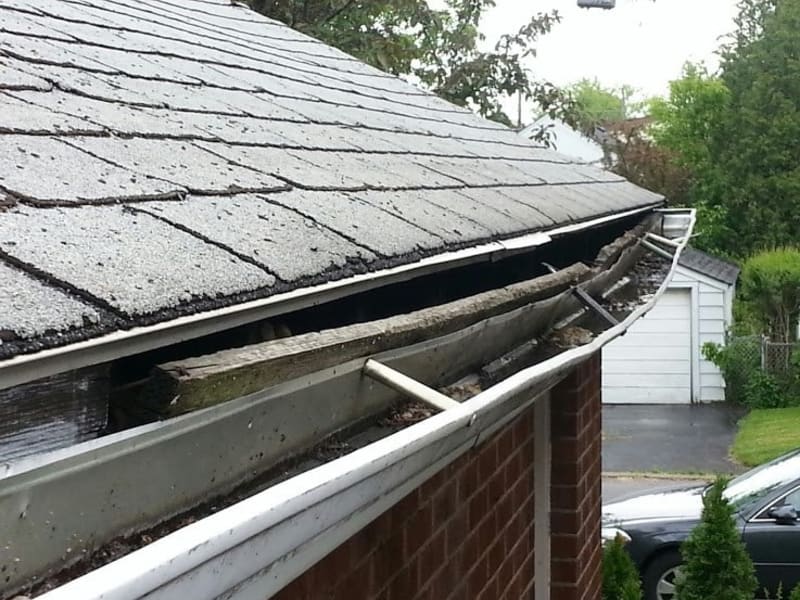
Clogged gutters overflow. When gutters fill with debris, water spills over the back edge—right onto the fascia board. That wood stays wet for days after a storm. Do this for a few seasons and rot sets in.
Leaking seams drip onto fascia. Sectional gutters develop leaks at the joints. Water runs down the face of the fascia, seeps behind the paint, and saturates the wood. You don't see the damage until it's already soft.
Poorly pitched gutters hold water. If gutters don't slope toward the downspouts, water sits in them. Eventually it overflows, or the standing water corrodes through the gutter bottom. Either way, the fascia gets wet.
By the time most homeowners notice the problem—sagging gutters, peeling paint, visible rot—the damage has spread beyond what's visible. That's why we inspect the fascia carefully before any gutter installation.
The Gutter Connection
Why Gutters Need Solid Fascia
Here's something a lot of gutter companies don't tell you: if you install new gutters on rotten fascia, they won't last. The hangers that hold your gutters to the house screw directly into the fascia board. If that wood is soft, the screws have nothing solid to grip.
It might look fine for a few months. But the first time your gutters fill with water during a heavy rain—and 6-inch gutters can hold hundreds of pounds of water—the weight pulls those hangers right out of the rotten wood. Now you've got sagging gutters, water damage, and you're back to square one.
Some companies will install gutters on questionable fascia because they don't want to deal with the conversation. "It'll probably be fine." We don't operate that way. If we see rot during the estimate, we'll show you exactly what we're looking at and explain the options. Fix it now, or deal with bigger problems later.
The good news: since we're already at your roofline doing gutter work, adding fascia repair to the job is efficient. One crew, one visit, one cleanup. And your new gutters actually have something solid to attach to.
What to Look For
Signs Your Fascia May Be Rotted
Peeling or Bubbling Paint
Paint doesn't just peel from age—it peels because moisture is pushing up from underneath. If you see paint bubbling, flaking, or separating from the wood, there's likely water damage below the surface.
Dark Staining or Discoloration
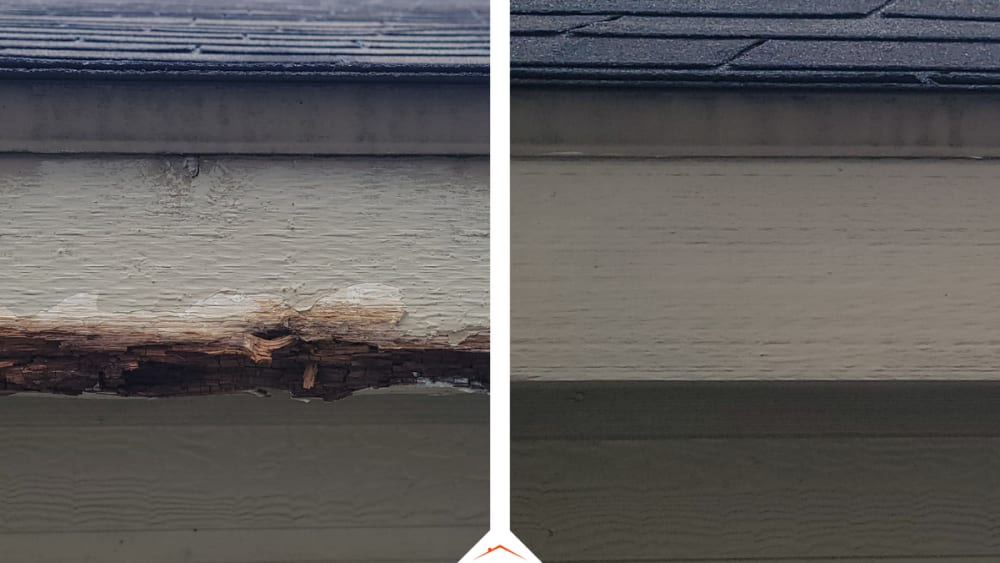
Brown or black staining on the fascia usually means water has been sitting there. The discoloration comes from tannins leaching out of the wet wood, or from mold and mildew growth. Either way, it's a warning sign.
Soft Spots
Press on the fascia with your thumb. Solid wood doesn't give. If it feels soft, spongy, or you can push a dent into it, the wood fibers have broken down. That section needs replacement.
Visible Crumbling or Gaps
Advanced rot becomes visible—chunks of wood missing, edges crumbling, gaps where sections have fallen away. If you can see the damage from the ground, it's been progressing for a while.
Sagging or Pulling Gutters
If your gutters are pulling away from the house or sagging between hangers, the fascia behind them may be rotten. The hangers are losing their grip as the wood softens.
Pest Activity
Carpenter bees, wasps, and other insects love rotten wood—it's easier to bore into. If you see increased pest activity around your roofline, they may be exploiting damage you can't see from the ground.
Not sure if your fascia is damaged? We'll inspect it during any gutter estimate and show you exactly what we find.
How We Fix It
Our Approach to Fascia Repair
Some contractors slap new wood over old problems. We don't. Here's how we approach fascia repair:
Full inspection first. Rot spreads. What looks like a small problem from the ground often extends further once we're up close. We probe the wood, check adjacent boards, and inspect the rafter tails behind the fascia. We need to know the full extent before we start cutting.
Remove all damaged material. There's no point replacing half a rotten board. We cut back to solid wood, even if that means removing more than initially expected. Leaving any rot behind just gives it a head start on destroying your new material.
Check what's behind it. Sometimes rot has spread into the rafter tails or roof sheathing. If we find structural damage, we'll address it—or coordinate with a roofer or carpenter if the scope goes beyond fascia work.
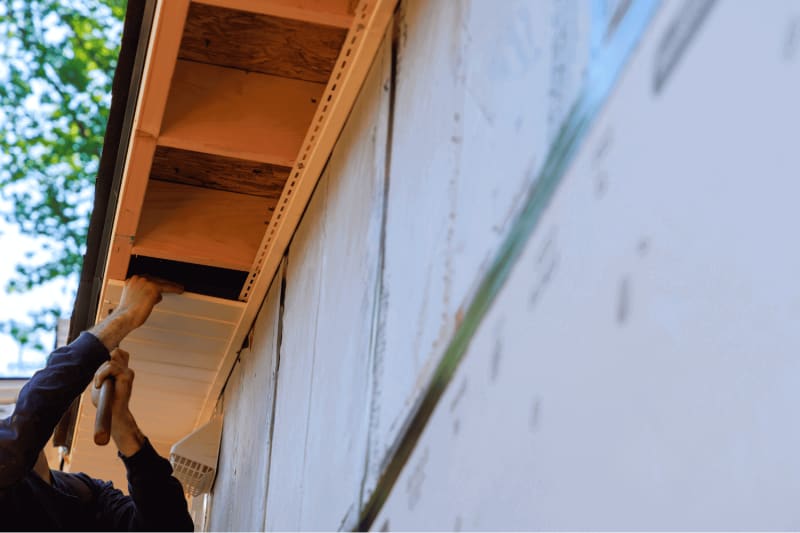
Install quality replacement material. We use primed pine, cedar, or PVC composite depending on your preference and budget. All wood gets primed on all six sides before installation—not just the visible face. Back-priming prevents moisture intrusion from behind.
Then install gutters on solid wood. With the fascia repaired, your new gutters have something to hold onto. The hangers bite into solid material. The system will last.
Material Options
What We Use for Fascia Replacement
Different materials suit different situations and budgets:
Primed Pine
The most common choice. Pine is readily available, easy to work with, and affordable. We use boards that are factory-primed and add a coat of quality primer to all cut ends and the back side. With proper painting and gutter maintenance, pine fascia lasts 15-20 years.
Cedar
Naturally rot-resistant and beautiful. Cedar costs more than pine but lasts longer, especially in humid climates like ours. It can be left natural to weather gray or painted. Good choice for visible areas or homes where longevity matters more than upfront cost.
PVC / Composite
Won't rot, warp, or need painting—ever. PVC fascia boards look like wood but are completely impervious to moisture. Higher upfront cost, but zero maintenance and virtually unlimited lifespan. The premium choice for homeowners who never want to deal with this again.
Aluminum Fascia Capping
Rather than replacing wood, we can wrap existing sound fascia with aluminum capping. This protects the wood from moisture and eliminates the need for painting. Works well when the underlying wood is still solid but you want permanent protection.
We'll discuss material options during your estimate and help you choose based on your budget, the condition of existing materials, and how long you plan to stay in the home.
Special Expertise
Historic Home Fascia Repair
Homes in Twickenham, Old Town, Five Points, and other historic Huntsville neighborhoods often have decorative trim profiles that aren't available at the local lumber yard. Crown molding, dentil work, custom profiles—these details are part of what makes these homes special.
We understand that replacing rotted trim on a historic home isn't just about function. The new material needs to match the existing profile, or the repair will look wrong forever. We can:
- ✓ Match existing trim profiles using custom-milled lumber
- ✓ Source period-appropriate materials when needed
- ✓ Work within historic district guidelines
- ✓ Preserve decorative elements while repairing damage
- ✓ Blend repairs seamlessly with original trim
If you have a historic home with rotted trim, don't let a general contractor install modern flat boards where decorative profiles used to be. We take the time to do it right.
Common Questions
Frequently Asked Questions
Three main reasons: gutter overflow that runs behind the gutter and soaks the fascia, Tennessee Valley humidity that never lets the wood fully dry, and age—paint eventually fails and exposes the wood to moisture. Clogged gutters and poor drainage accelerate all of these.
No—and you shouldn't. Gutters need solid wood to attach to. If we screw hangers into rotten fascia, they'll pull out within a year or two. The weight of water-filled gutters will tear them right off the house. We always repair the fascia first, then install gutters on solid wood.
Look for peeling or bubbling paint, dark staining or discoloration, soft spots when you press on the wood, visible crumbling or missing sections, and gaps where the fascia has pulled away from the house. If your gutters are sagging or pulling away, rotten fascia is often the cause.
It depends on the extent of damage. For localized rot, we can sometimes splice in a new section. But if rot has spread along the board or into the rafter tails behind it, full replacement is usually better. We'll assess and recommend the most cost-effective approach.
We typically use primed pine or cedar for wood fascia, matching the existing material and profile. For longer-lasting results, we offer PVC composite fascia that won't rot, warp, or need painting. We can also wrap existing wood with aluminum fascia capping for added protection.
Yes—we work with homes in Twickenham, Old Town, Five Points, and other historic districts. We can match existing trim profiles, including crown molding and decorative elements. For historic properties, we use appropriate materials and techniques that maintain the home's character.
It depends on the extent of damage and materials used. Small repairs might run a few hundred dollars; extensive replacement around the whole house costs more. We provide detailed estimates that break down materials and labor so you know exactly what you're paying for.
We install primed material that's ready to paint, but we don't typically do finish painting. You can paint it yourself or hire a painter. If you choose PVC/composite or aluminum capping, no painting is needed—the color is built in.
Service Areas
Fascia Repair Across North Alabama
We repair rotten fascia and trim throughout the Tennessee Valley. Find your city below:
Don't see your city? Give us a call — we likely serve your area.
Concerned About Your Fascia?
If you've noticed peeling paint, soft wood, or sagging gutters, let us take a look. We'll tell you exactly what we find and whether repairs are needed before any gutter work. No pressure, just straight answers.
Schedule Free EstimateMON-FRI 8:00AM-5:00PM