
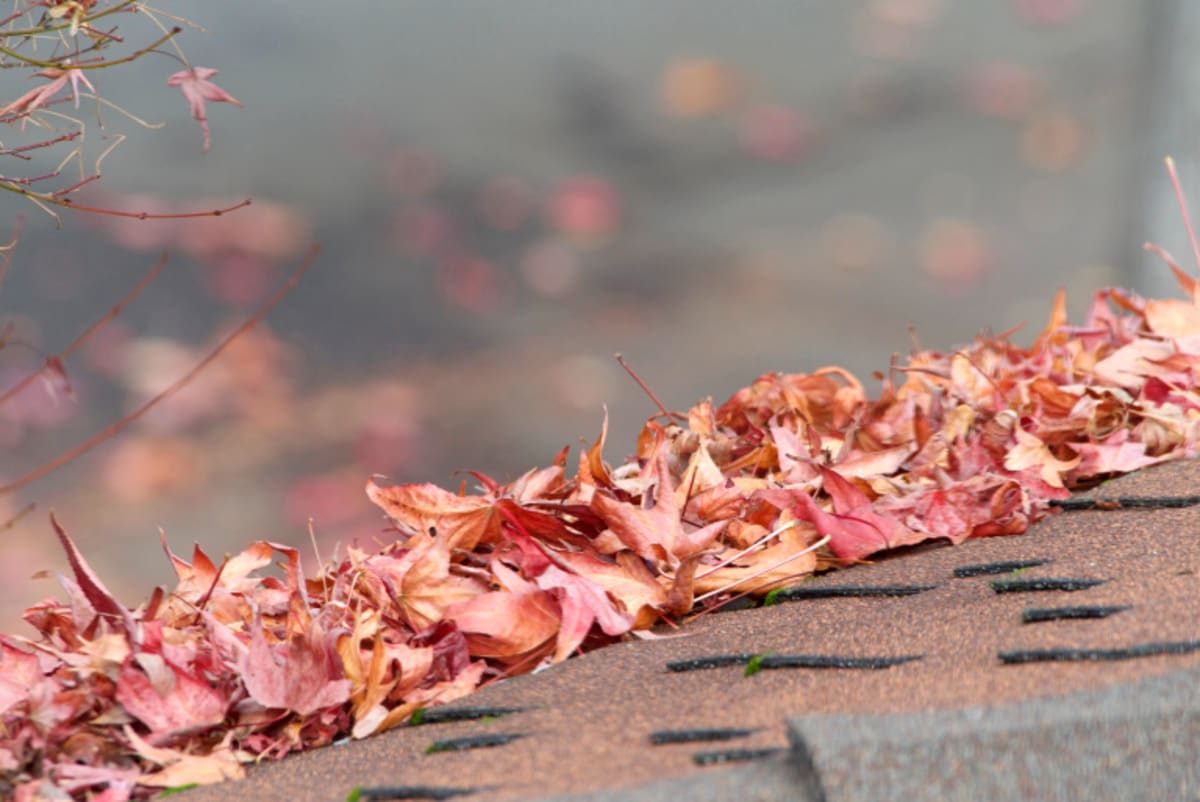
Gutter maintenance isn't complicated, but timing matters — especially in North Alabama. Our climate doesn't follow the simple "clean twice a year" advice you'll find in generic home maintenance guides. Between spring storms, summer deluges, heavy fall leaf drop, and occasional winter freezes, your gutters face year-round challenges.
This guide breaks down what to do and when, specifically for homeowners in Huntsville, Madison, Decatur, Athens, and surrounding areas. Follow this schedule and you'll catch problems early, avoid emergency repairs, and keep water flowing where it should.
Spring: March Through May
Spring in North Alabama is intense. We get more rainfall in spring than any other season — typically 5-6 inches per month in April and May. This is also severe weather season, with storms that can dump inches of rain in hours and winds that send debris flying.
Early March: Post-Winter Inspection
As temperatures stabilize above freezing, do a visual inspection of your gutters from the ground. Look for sections that appear to be sagging or pulling away from the fascia. Winter's freeze-thaw cycles can loosen hangers and shift gutter alignment. Any ice accumulation over the winter may have stressed joints and seams.
Check downspouts to make sure they're still properly connected and directing water away from your foundation. Winter ground movement can shift extensions out of position.
Late March / Early April: Pollen Season Prep
North Alabama's pine pollen season typically peaks in late March and early April. That yellow-green coating on your car? It's also coating the inside of your gutters. Pine pollen creates a sticky residue that, when mixed with water, forms a sludge that can clog downspouts and impede flow.
If you have significant pine coverage, schedule a cleaning for mid-April after the worst of pollen season passes. Cleaning too early means you'll just need to clean again.
After Any Severe Storm
Spring storm season runs roughly April through early June. After any storm with high winds or hail, inspect your gutters for damage. Look for dents from hail impact, sections knocked loose by wind-blown debris, and any visible damage to downspouts.
Also check for debris accumulation. A single storm can deposit enough leaves, twigs, and shingle grit to clog a gutter section. If water was overflowing during the storm, that's a sign debris has accumulated.
Summer: June Through August
Summer in the Tennessee Valley means heat, humidity, and afternoon thunderstorms. The storms are typically brief but intense — half an inch of rain in 20 minutes isn't unusual. This tests your gutter system's capacity.
Early June: Pre-Storm Season Check
Before summer's daily thunderstorm pattern kicks in, make sure your gutters are clear from spring's accumulation. A quick cleaning in early June sets you up for the summer months.
Pay special attention to downspout flow. Summer storms deliver water fast — if downspouts have any partial clogs, they'll back up and overflow during heavy rain. Flush each downspout with a hose to verify it's running freely.
Mid-Summer: Capacity Check
During a heavy rain, take a few minutes to observe how your gutters perform. Are they overflowing anywhere? Is water sheeting over the edge instead of flowing to downspouts? Are downspouts handling the volume, or is water backing up?
If you're seeing overflow during intense storms, it might not be a clog — your system might be undersized for your roof area and our rainfall intensity. Standard 5-inch gutters with 2x3 downspouts can struggle during summer deluges. Upgrading to 6-inch gutters or larger downspouts may be worth considering.
Watch for Wasp Nests
Summer is prime time for wasps to build nests in gutters and downspout openings. Before any cleaning or maintenance, check for insect activity. A downspout that seems clogged might actually have a wasp nest inside — not something you want to discover while clearing it by hand.
Fall: September Through November
Fall is the most important season for gutter maintenance in North Alabama. Our mix of hardwoods — oaks, maples, sweetgums, and hickories — drop massive amounts of leaves over a relatively short period. Timing your cleaning correctly makes a significant difference.
Early October: First Cleaning (Maybe)
Here's where local knowledge matters. North Alabama's leaf drop doesn't follow a single schedule. Sweetgums and some maples start dropping in early October. Oaks hold their leaves much longer — sometimes into December. If your property is primarily hardwoods, an early October cleaning will just leave you with full gutters again in a few weeks.
However, if you have significant sweetgum or early-dropping maple coverage, a mid-October cleaning prevents that debris from sitting in your gutters during fall rains.
Late November: Primary Fall Cleaning
For most North Alabama properties, the ideal time for fall gutter cleaning is late November — after the majority of leaves have dropped but before winter rains set in. Thanksgiving week is often the sweet spot.
By late November, even the stubborn oaks have dropped most of their leaves. A thorough cleaning at this point means your gutters are clear for winter's rainfall. This is the single most important cleaning of the year.
Pine Needle Properties: Add a Cleaning
If you have heavy pine coverage, you may need an additional cleaning in fall. Pine needles shed year-round but accumulate particularly in fall. Unlike leaves, pine needles are small enough to slip through some gutter guards and can pack densely in gutters, creating a mat that water flows over rather than through.
For properties surrounded by pines, consider cleanings in both mid-October and early December.
Winter: December Through February
North Alabama winters are mild compared to northern states, but we do get freezing weather. The occasional ice storm and regular freeze-thaw cycles create specific challenges for gutters.
December: Verify Fall Cleaning
If you cleaned in late November, a quick visual check in December confirms your gutters are still clear. Late-dropping leaves or a windstorm can undo your cleaning quickly.
Ice and Snow Events
When temperatures drop below freezing and precipitation is in the forecast, make sure your gutters are clear beforehand. Water trapped in debris-clogged gutters freezes and expands, potentially damaging gutter seams and pulling hangers loose.
Ice dams — ridges of ice that form at the roof edge and prevent drainage — are less common in North Alabama than in northern climates, but they can happen during extended cold snaps. If you notice ice building up at your roof edge or icicles forming from your gutters, that's a sign water isn't draining properly.
Don't try to chip ice out of gutters — you'll damage them. Wait for a thaw, then address whatever drainage issue allowed ice to form.
Freeze-Thaw Damage
North Alabama's winter pattern typically involves temperatures that swing above and below freezing repeatedly. Water enters small cracks or seams, freezes, expands, then thaws. Over a winter, this cycle can enlarge small leaks into significant problems.
After winter ends, inspect gutters for any new leaks or separation at seams. Damage from freeze-thaw cycles often doesn't become apparent until spring rains reveal where water is escaping.
Your North Alabama Gutter Maintenance Checklist
Print this out or save it to your phone. Check off each item as you complete it through the year:
Early March
- Visual inspection from ground — check for sagging, loose sections
- Verify downspouts are connected and positioned correctly
- Look for any winter damage at seams and joints
Mid-April (After Pollen Season)
- Clean gutters if you have pine coverage
- Flush downspouts with hose to verify flow
- Clear any debris from underground drain inlets
After Any Severe Storm
- Check for hail damage or dents
- Look for wind-blown debris accumulation
- Verify no sections were knocked loose
Early June
- Clean gutters of spring accumulation
- Flush all downspouts
- Check for wasp or insect nests
During Summer Storms
- Observe gutter performance during heavy rain
- Note any overflow locations
- Check if downspouts are keeping up with volume
Late November
- Primary fall cleaning — most important of the year
- Remove all leaf debris from gutters
- Flush all downspouts thoroughly
- Inspect fascia for any soft spots or water damage
Before Any Winter Freeze
- Verify gutters are clear of debris
- Check that water can flow freely to downspouts
End of February
- Post-winter inspection for freeze-thaw damage
- Check seams and joints for new leaks
- Verify hangers are still secure
When to Call a Professional
Some gutter maintenance you can handle yourself. Other situations call for professional help:
Call for cleaning if: Your gutters are higher than you can safely reach with a stable ladder, you have a steep roof pitch, or you simply don't want the hassle. Professional cleaning typically costs $150-250 for most single-story homes and $200-350 for two-story homes — often worth it for the safety and thoroughness.
Call for inspection if: You're seeing overflow but gutters appear clear, water is pooling near your foundation despite having gutters, you notice new cracks in foundation walls, or your basement or crawlspace is showing moisture.
Call for repair if: Sections are sagging or pulling away from the house, seams are leaking, downspouts are damaged or disconnected, or you see rust or corrosion on steel components.
Call for evaluation if: You're not sure if your current system is adequate, you're considering gutter guards, or you want to discuss underground drainage options.
A Note on Gutter Guards
Gutter guards don't eliminate maintenance, but they significantly reduce it. Instead of cleaning debris out of gutters multiple times per year, you're doing occasional maintenance on top of the guards — brushing off accumulated debris that sits on the surface.
For North Alabama properties with heavy tree coverage, guards often pay for themselves within a few years in avoided cleaning costs and prevented damage. They're not necessary for every home, but for the right situations, they're a worthwhile investment.
Set It and Forget It (Almost)
The key to gutter maintenance is consistency. Small efforts throughout the year prevent the big problems — foundation damage, fascia rot, landscape erosion — that come from neglect.
If keeping track of this schedule feels like one more thing on your already-full list, that's understandable. Many of our customers put themselves on a regular cleaning schedule with us. We reach out when it's time, handle the cleaning, and let them know if we spot any issues. One less thing to think about.
However you approach it — DIY or professional — the important thing is that it gets done. Your gutters protect a lot more than they get credit for. A little maintenance keeps them doing their job.