
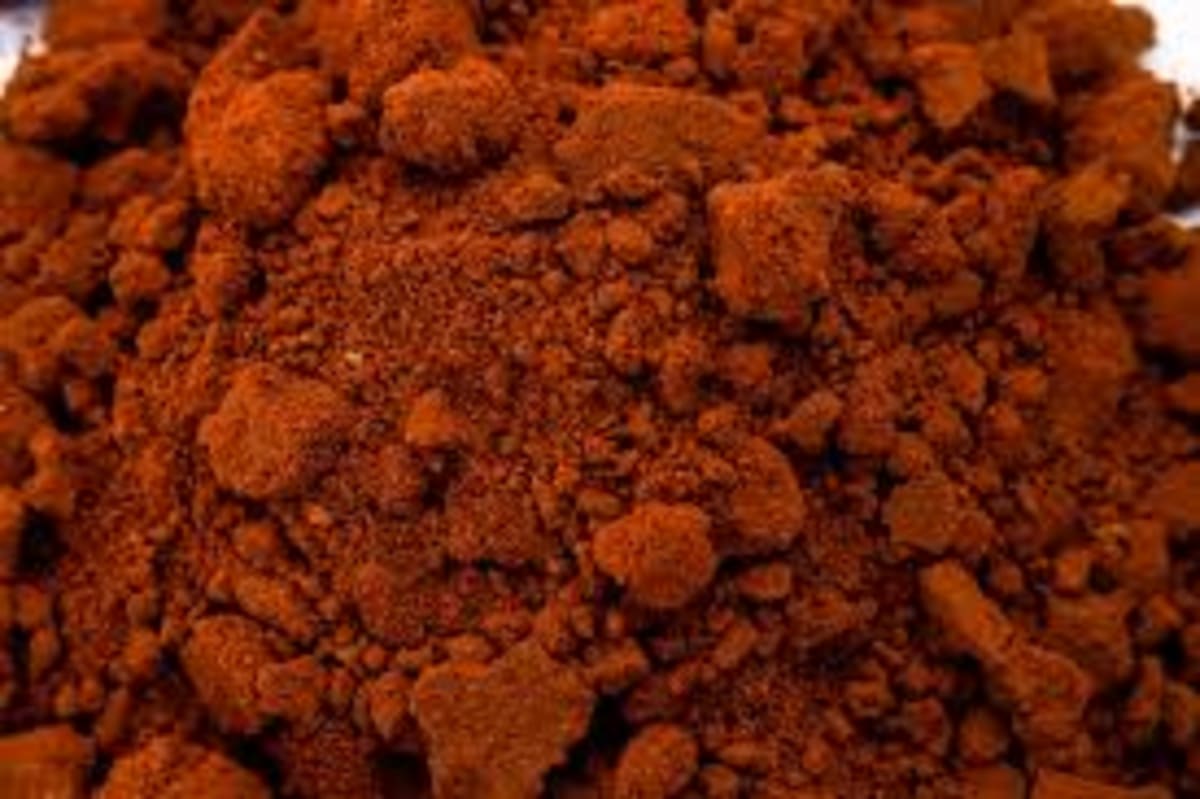
If you've ever tried to dig a hole in your North Alabama yard, you know the drill. Six inches down, your shovel hits something that feels like wet concrete. You push harder. The soil comes up in thick, sticky clumps that cling to everything. You're fighting red clay — and the red clay usually wins.
That same soil that makes gardening miserable also creates serious problems for your home's foundation and drainage systems. Understanding how red clay behaves — and what you can do about it — is essential for any homeowner in the Tennessee Valley.
What Is Red Clay Soil?
Red clay gets its distinctive color from iron oxide — essentially rust — that's been accumulating in the soil for millions of years. The clay particles themselves are microscopic, far smaller than sand or silt. This matters because particle size determines how water moves through soil.
In sandy soil, water drains quickly through the large gaps between particles. In clay soil, those gaps barely exist. Water doesn't drain — it sits. And when it finally does move, it moves slowly, often horizontally across the surface rather than down into the ground.
North Alabama sits on some of the densest red clay deposits in the Southeast. The soil composition varies somewhat across the region — limestone bedrock affects drainage patterns in parts of Madison County, while Morgan County tends toward heavier clay — but the basic problem is the same everywhere: water doesn't go where you want it to go.
Where Red Clay Causes the Most Problems
Not every property in North Alabama has severe clay soil issues, but many do. Here are the areas where we see the most drainage problems:
South Huntsville and Hampton Cove: The rapid development in these areas often involved significant grading. Topsoil gets scraped away during construction, leaving homes sitting on exposed clay subsoil with minimal natural drainage. Newer subdivisions built in the last 15 years are particularly vulnerable.
Madison's older neighborhoods: Areas developed in the 1980s and 1990s, especially around Hughes Road and County Line Road, often have mature landscapes sitting on clay that's been compacted by decades of foot traffic and lawn equipment. The soil is effectively sealed.
Decatur and Hartselle: Morgan County's heavy clay composition creates challenges throughout the area. Properties near the Tennessee River face additional issues — the water table is high, and clay prevents surface water from draining down to meet it naturally.
Athens and Limestone County: While limestone bedrock provides some natural drainage, the clay topsoil still creates surface water problems. Water pools on the clay layer until it finds a path to lower ground — often toward your foundation.
Rural properties throughout the region: Homes outside city limits often have septic systems that must contend with clay's poor percolation. When surface drainage fails, it can overwhelm septic drain fields and create compound problems.
Why Red Clay Destroys Foundations
The foundation damage caused by red clay isn't random — it follows predictable patterns based on how clay behaves with moisture. Understanding these patterns helps you recognize problems early.
Expansion and contraction: Clay soil expands significantly when wet and contracts when dry. This seasonal movement creates pressure cycles against your foundation walls. During wet periods, the expanding soil pushes inward. During dry periods, the contracting soil pulls away, leaving gaps that fill with debris and water. Each cycle worsens the stress on your foundation.
Hydrostatic pressure: When water saturates the clay around your foundation, it creates hydrostatic pressure — essentially, the weight of the water pressing against your foundation walls. This pressure can force water through microscopic cracks and, over time, can bow or crack foundation walls. Basement walls are particularly vulnerable.
Erosion beneath footings: When water does finally move through clay soil, it often creates channels. If those channels form beneath your foundation footings, the soil supporting your home literally washes away. This causes settling, cracking, and structural damage that's expensive to repair.
Frost heave: While North Alabama doesn't get severe winters, we do get freeze-thaw cycles. Water trapped in clay soil expands when it freezes, lifting anything above it — including foundation edges, sidewalks, and driveways. The damage accumulates over years of minor movements.
Signs Your Home Has Clay Soil Drainage Problems
Foundation damage from drainage problems doesn't happen overnight. It develops gradually, and early warning signs are easy to miss — or dismiss. Here's what to watch for:
Water pooling near the foundation: After rain, walk around your home. If water is standing within 3-4 feet of your foundation walls — especially if it's still there 24 hours later — you have a drainage problem. The soil isn't absorbing the water, which means it's sitting against your foundation.
Cracks in foundation walls or floors: Some cracking is normal as concrete cures. But new cracks, widening cracks, or stair-step cracks in block foundations indicate movement. Horizontal cracks in basement walls are particularly concerning — they suggest inward pressure from saturated soil.
Doors and windows that stick: When foundations shift, door and window frames go out of square. If doors that used to close easily now drag or won't latch, or if windows have become difficult to open, your foundation may be moving.
Gaps between walls and ceilings or floors: As foundations settle unevenly, the house structure above shifts. Gaps appearing where walls meet ceilings or floors indicate differential movement — one part of the foundation is moving while another stays put.
Musty smells in basements or crawlspaces: Even without visible water, moisture migrating through foundation walls creates humidity problems. That musty smell is mold and mildew growing in the damp environment — a sign that water is getting where it shouldn't.
Efflorescence on basement walls: Those white, chalky deposits on concrete or block walls are mineral salts left behind when water evaporates. Water is moving through your foundation, carrying dissolved minerals with it. The deposits mark the path.
How Gutters Protect Against Clay Soil Damage
Here's the critical point: the primary source of water saturating the soil around your foundation is your roof. A 2,000-square-foot roof in Huntsville, receiving our average 55 inches of annual rainfall, sheds over 68,000 gallons of water per year. That's water that has to go somewhere.
Without gutters — or with inadequate gutters — that water cascades off your roof edge and lands directly next to your foundation. In clay soil, it doesn't drain away. It saturates the clay, creates hydrostatic pressure, and begins the damage cycle we described above.
Properly designed and installed gutters intercept that water before it hits the ground. Downspouts carry it away from the foundation. Extensions or underground drains move it far enough that it can't migrate back. The simple act of controlling where roof water goes eliminates the primary threat to your foundation.
What "Properly Designed" Means for North Alabama
Gutter systems aren't one-size-fits-all, especially in our area. Several factors determine what your home needs:
Gutter size matters: Standard 5-inch K-style gutters handle moderate rainfall adequately. But North Alabama gets intense storms — 2-3 inches in an hour isn't unusual during spring and summer. For larger roofs, steeper pitches, or homes in areas with heavy rainfall, 6-inch gutters provide the extra capacity needed to prevent overflow.
Downspout placement is critical: Many homes have too few downspouts. A general rule is one downspout per 20-30 feet of gutter run, but roof geometry matters too. Valley areas concentrate water flow and may need dedicated downspouts. We've seen homes with 150 feet of gutter and only two downspouts — a setup that guarantees overflow during heavy rain.
Downspout sizing must match: Undersized downspouts create bottlenecks. When water can't drain fast enough, it backs up in the gutter and overflows — defeating the purpose of having gutters at all. We often recommend 3x4 inch downspouts instead of standard 2x3 inch for better flow capacity.
Extensions are minimum protection: Basic downspout extensions move water 3-5 feet from your foundation. For many North Alabama properties, that's not far enough. Clay soil can wick moisture horizontally for considerable distances. Properties with serious drainage concerns often need underground drains that carry water 15-20 feet or more from the foundation.
The Underground Drain Solution
For homes already experiencing foundation moisture issues — or properties with severe clay soil and poor natural drainage — underground drains are often the answer. Here's how they work:
A buried pipe connects to each downspout, runs underground at a slight slope, and exits at a discharge point well away from the house. The water never touches the soil near your foundation. It travels through a sealed channel and emerges far enough away that even clay soil's horizontal wicking can't bring it back.
Discharge options include pop-up emitters that release water at the surface, connections to storm drains where permitted, dry wells that allow gradual percolation, or simply daylighting at a property edge where water can disperse naturally.
The installation involves trenching, but the disruption is temporary and the protection is permanent. For properties with documented drainage problems, underground drains often represent the most cost-effective long-term solution.
Gutter Guards and Clay Soil Properties
Properties with heavy tree coverage face an additional challenge. Leaves, pine needles, and debris clog gutters, causing the same overflow problems as undersized systems. When overflow happens over clay soil, the foundation damage potential is immediate.
Gutter guards prevent debris from entering the gutter channel while allowing water to flow through. For properties dealing with both tree debris and clay soil, guards aren't a luxury — they're essential protection. The cost of guards is far less than the cost of foundation repair from overflow damage.
Not all guards work equally well in our area. Pine needles — common throughout North Alabama — can slip through standard screen guards. Micro-mesh guards with tiny perforations block even fine debris while maintaining water flow. We help homeowners choose guards matched to their specific debris challenges.
Grading and Drainage: The Complete Picture
Gutters handle roof water, but that's only part of the drainage equation. The grading of your lot — the slope of the ground around your home — determines where surface water flows. Proper grading directs water away from your foundation. Improper grading sends it toward your foundation.
The standard recommendation is a slope of 6 inches over the first 10 feet away from your foundation. In practice, many North Alabama homes don't meet this standard. New construction often gets graded properly at completion, but settling, erosion, and landscape changes can reverse the slope over time.
If your gutters are working perfectly but water still pools near your foundation, grading may be the issue. Sometimes the fix is as simple as adding soil to build up the grade. Other times, more extensive regrading or drainage solutions like French drains are needed.
We focus on gutters and downspouts, but we'll tell you if grading appears to be part of your drainage problem. Solving half the equation leaves half the problem in place.
Taking Action
Red clay soil isn't going anywhere — it's been here for millions of years and will outlast all of us. What you can control is how water interacts with that soil around your home.
Start with an honest assessment. Walk your property after a heavy rain. Look for pooling water, saturated areas, and overflow evidence from your current gutters. Check your foundation walls for new cracks or signs of moisture. Look at how far your downspouts currently discharge water.
If you're seeing warning signs — or if you just want a professional assessment — that's where we come in. We've been solving drainage problems across North Alabama for over 20 years. We understand local soil conditions, rainfall patterns, and what actually works to protect homes in this area.
We'll evaluate your current gutter system, identify problems, and recommend solutions scaled to your actual needs. Sometimes the fix is simple — an additional downspout or longer extensions. Sometimes it requires a more comprehensive approach. Either way, you'll get honest answers and clear options.
Your foundation is literally what your home rests on. In North Alabama's red clay, protecting it from water damage isn't optional — it's essential maintenance. The cost of proper gutter systems and drainage solutions is a fraction of what foundation repairs cost. And unlike foundation damage, drainage problems don't get better on their own.