
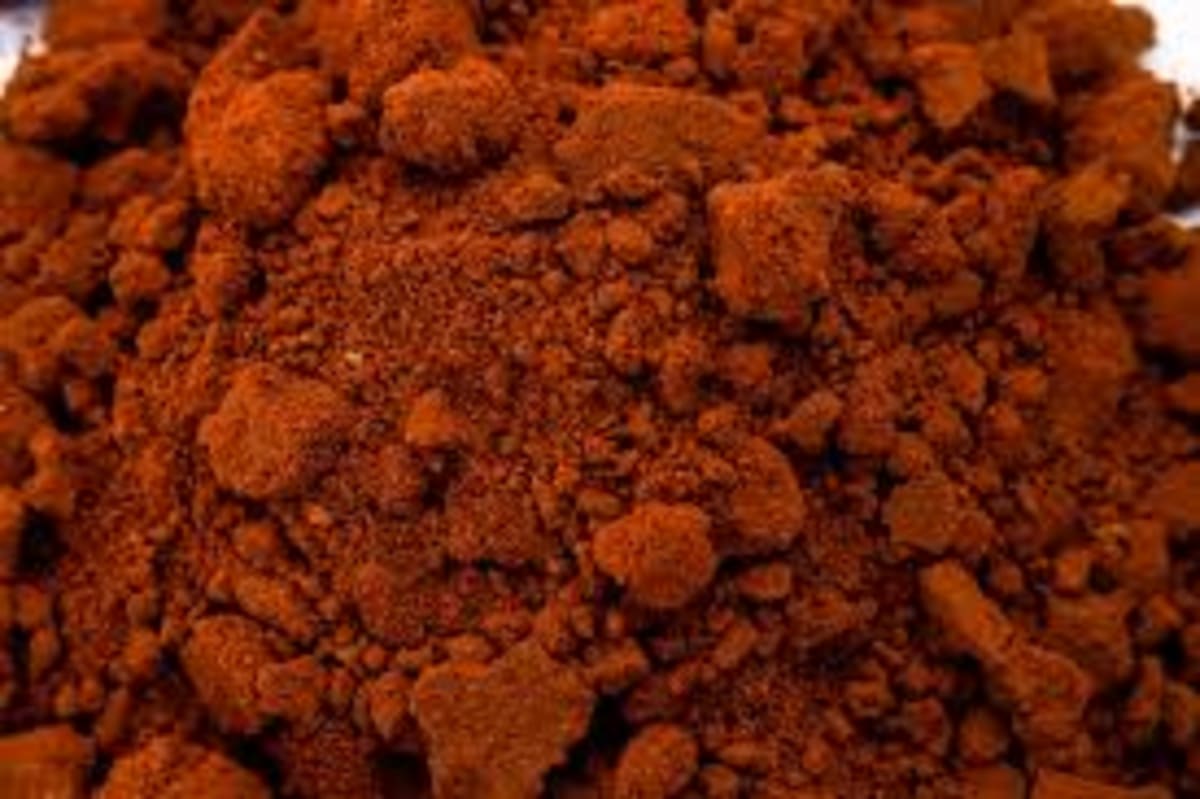
If you've ever tried to dig a hole in your North Alabama yard, you know the drill. Six inches down, your shovel hits something that feels like wet concrete. You push harder. The soil comes up in thick, sticky clumps that cling to everything. You're fighting red clay — and the red clay usually wins.
That same soil that makes gardening miserable also creates serious problems for your home's foundation and drainage systems. Understanding how red clay behaves — and what you can do about it — is essential for any homeowner in the Tennessee Valley.
What Is Red Clay Soil?
Red clay gets its distinctive color from iron oxide — essentially rust — that's been accumulating in the soil for millions of years. The clay particles themselves are microscopic, far smaller than sand or silt. This matters because particle size determines how water moves through soil.
In sandy soil, water drains quickly through the large gaps between particles. In clay soil, those gaps barely exist. Water doesn't drain — it sits. And when it finally does move, it moves slowly, often horizontally across the surface rather than down into the ground.
North Alabama sits on some of the densest red clay deposits in the Southeast. The soil composition varies somewhat across the region — limestone bedrock affects drainage patterns in parts of Madison County, while Morgan County tends toward heavier clay — but the basic problem is the same everywhere: water doesn't go where you want it to go.
Taking Action
Red clay soil isn't going anywhere — it's been here for millions of years and will outlast all of us. What you can control is how water interacts with that soil around your home.
If you're seeing warning signs — or if you just want a professional assessment — that's where we come in. We've been solving drainage problems across North Alabama for over 20 years. We understand local soil conditions, rainfall patterns, and what actually works to protect homes in this area.